
Turning Death Data into Lifesaving Insights: Preventing Cholera Deaths in Zambia
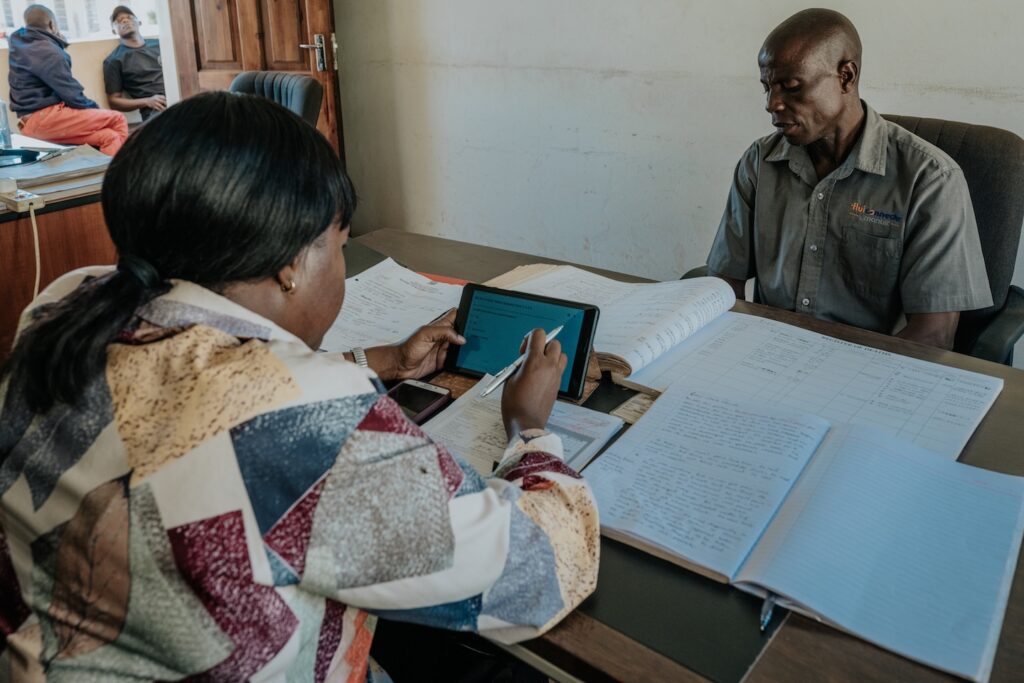
Until 2015, most deaths in Zambia went unrecorded. 96% were missing from the national registry, and nearly half occurred outside health facilities where no medical records were kept. Without data on why people were dying, public health officials were unable to prevent avoidable deaths or respond effectively during crises.
That year, Zambia launched a national effort to transform how it counted and understood death. With support from the Bloomberg Philanthropies Data for Health Initiative, government leaders committed to strengthening civil registration and vital statistics (CRVS) systems so that every life could be counted, and every death could inform action.
Key national institutions, including the Department of National Registration, Passport and Citizenship (DNRPC), the Ministry of Health, the Zambia Medical Association (ZMA), and the Zambia Statistics Agency (ZamStats), joined with UNICEF, WHO, and the U.S. CDC and CDC Foundation. Together, they embraced a simple but powerful goal: turn invisible deaths into lifesaving data.
The introduction of verbal autopsies, structured interviews with families to help determine the likely cause of death when no medical records exist, proved to be a breakthrough in the efforts to count everyone.
What started in mortuaries in 2017 has now expanded into communities nationwide. Trained interviewers listen to families’ accounts, using a globally recognized questionnaire to identify patterns of disease and causes of death.
For the first time, deaths that once went unnoticed are transformed into vital elements of efforts to strengthen Zambia’s health system and guides future policy action.
Data in Action to Fight Cholera
The power of this new system became clear during Zambia’s 2023–24 cholera outbreak. In Lusaka, most of the cholera deaths were happening at home, beyond the reach of the traditional systems that capture deaths and their causes.
Using verbal autopsy data, the Zambia National Public Health Institute (ZNPHI) identified cholera mortality hotspots and discovered that young people and children under five were dying more quickly than those who reached health facilities. With this knowledge, ZNPHI focused resources where they were needed most, mounting targeted community interventions that saved lives.
After identifying higher death rates among children under five in several sub-districts of Lusaka, ZNPHI quickly briefed the national response team and took action. More oral rehydration points were set up in the affected areas to ensure faster access to treatment, and community sensitization activities were carried out among women of childbearing age to raise awareness about cholera prevention, symptoms, and the importance of going to the hospital early.
In just 10 years, Zambia has achieved remarkable progress:
- Death registration increased more than ten-fold—from 4% in 2015 to 42% in 2024.
- Ill-defined causes of death dropped from 40% to 15%, giving health leaders a much clearer picture of the nation’s health.
- A verbal autopsy network now spans 35 sites, reaching nearly half the population.
The system is also evolving for the future. Plans are underway to digitalize Zambia’s CRVS system, expand verbal autopsy coverage to underserved areas, and further strengthen forensic and medical training.