
Digital Birth and Death Data Drive HPV Vaccine Success in Bangladesh
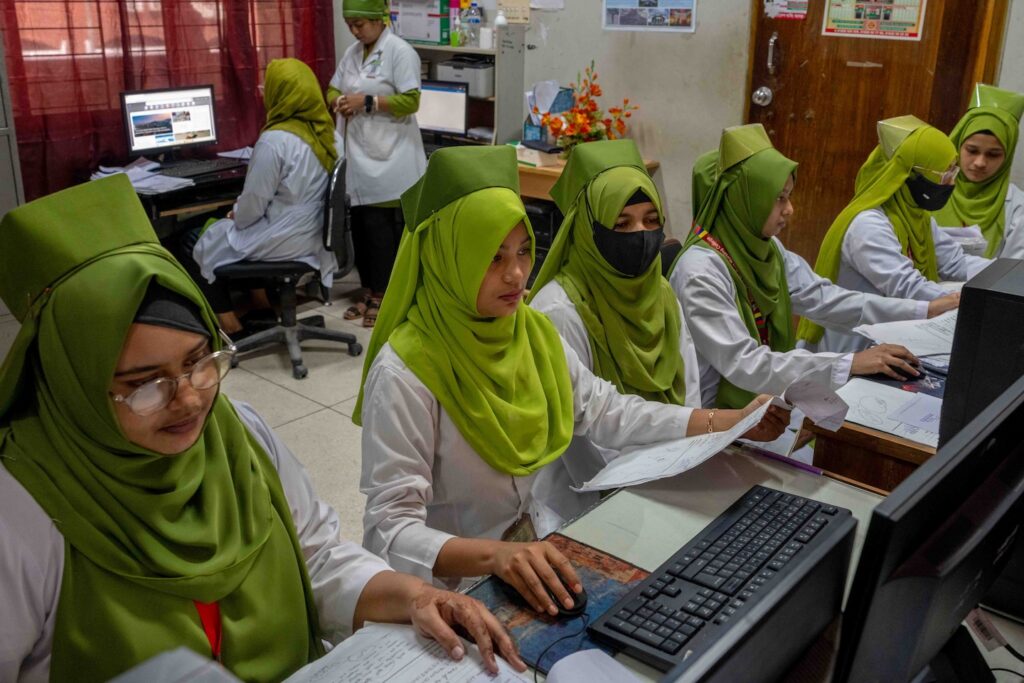
Efforts to tackle cervical cancer, the second most common cancer* among women in Bangladesh, have been shaped by a growing commitment to evidence-based health planning. As part of broader improvements to the country’s health information systems, officials began analyzing death registration records and cancer-related hospital admissions in greater depth. This work revealed the growing impact of noncommunicable diseases, especially cancer.
For years, officials in Bangladesh knew that cervical cancer was taking a toll on women’s health, but they didn’t know the full extent of the problem. Only after improving death registration data and analyzing cancer-related hospital admissions did the scale of this burden become clearer. In fact, stronger data showed that cervical cancer was the third leading cause of cancer-related deaths in the country.* and the fourth most common reason for cancer-related hospitalization for women in public hospitals.**
These insights confirmed the significant, yet largely preventable disease burden on women and the health system that would have remained hidden without improved data. Using this evidence, government officials made vaccination against Human Papillomavirus (HPV), the primary cause of cervical cancer, a national priority.
HPV is a very common but potentially dangerous virus, and about 85% of sexually active people will get HPV if unvaccinated. The World Health Organization recommends HPV vaccinations for girls 9 to 14 years old, with one or two doses providing strong, long-lasting protection against both HPV and cervical cancer.
In October 2023, the Bangladesh Ministry of Health and Family Welfare launched a landmark HPV vaccination campaign in Dhaka Division, home to 44 million people.
For the first time, adolescent girls and their families could self-register for vaccines using VAXEPI, a new national digital vaccine registration and tracking system based on civil registration data and digital identity verification. This innovation enabled families to obtain their own vaccination cards, making the process easier and more streamlined.
To ensure the highest level of accuracy, government officials integrated the VAXEPI system with the Office of the Registrar General (ORG) database for birth registration number verification. This integration not only verifies birth registration numbers but also quickly and accurately identified the exact age and additional relevant details such as the child’s name and parents’ names. Registration has become faster, more accurate and user-friendly for families and administrators.
In the past, identifying all eligible girls in the Dhaka Division would have required combing through countless handwritten school records and paperwork, taking considerable time and resources and risking human errors.
The benefits were immediate. The digital integration ensured that only the eligible age group could register through the digital system, reducing errors, preventing vaccine waste and minimizing unnecessary costs. Additionally, it made the registration process seamless and eliminated data input discrepancies.
The HPV campaign registered 1.4 million eligible girls and successfully vaccinated 1.2 million, a nearly 90% coverage rate. Most vaccinations occurred in schools. Equally important, VAXEPI and the ORG database also revealed which areas had gaps, improving inclusion and helping target outreach to reach every eligible child.
By December 2024, the vaccine campaign had successfully reached 5.6 million adolescent girls and counting.
Successful improvements to birth and death data systems in Bangladesh helped make national vaccine delivery possible demonstrating how complete, reliable CRVS systems can protect the public’s health today and for generations to come.
* WHO/IARC: GLOBOCAN 2022: Cancer Today – Bangladesh
** IEDCR: National Bulletin of Public Health: Admitted Cancer Patients in Government Facilities of Bangladesh